
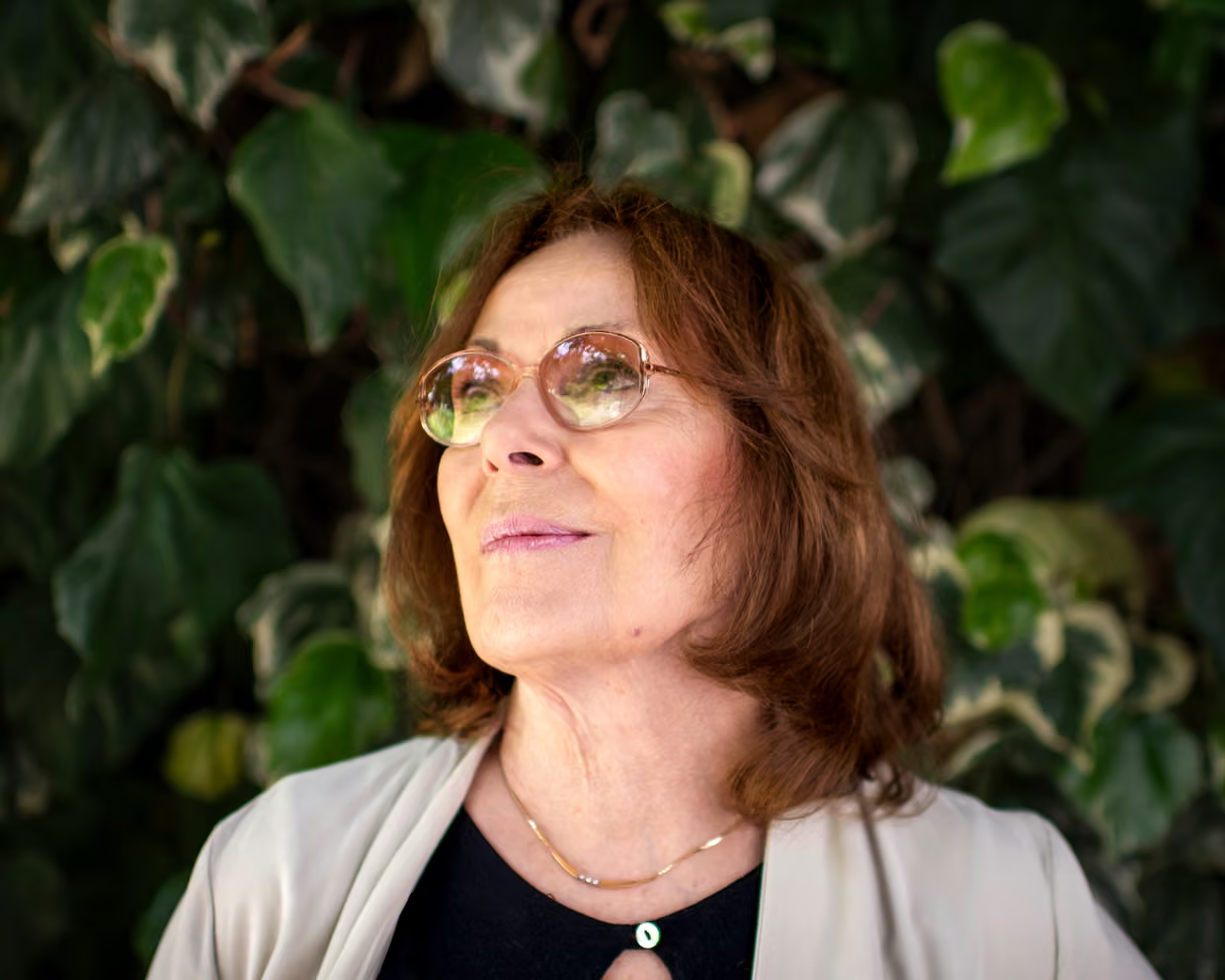
Author Rose Tremain, 83, reflects on ageing, mortality and creativity as her reimagining of Daphne du Maurier's Rebecca arrives as a novel and a film.
Bestselling author Rose Tremain has declared that she has no intention of putting down her pen at 83, even as she admits that “my generation of writers is dying” and reflects on mortality, illness and the stubborn persistence of creative energy in old age.
The veteran novelist was speaking in a candid personal essay published as her latest book, The Housekeeper, a reimagining of the inspiration behind Daphne du Maurier’s classic novel Rebecca, hits the shelves via Chatto & Windus.
Tremain opens her reflection with an unflinching accounting of the losses within her literary cohort. Of the 20 writers named on Granta’s fabled 1983 list of Best of Young British Novelists, she notes that six are already gone, including Martin Amis, whom she calls the most princely of British satirists.
Others from that generation carry visible scars. Salman Rushdie was wounded by an attacker’s knife, while Julian Barnes lives with blood cancer and has announced he is signing off from writing because of illness. Some, she says, suffer the quieter wound of being forgotten.
She even wonders aloud whether younger generations have simply heard enough from the “old birds and geezers who were young when Sean Connery had dimples, when David Hockney first coloured his hair yellow,” and concedes the answer is probably yes.
Yet Tremain pushes back against the idea that serious writers agonise over audiences, sales, royalties, or prizes. What writers actually dream of and cannot live without, she argues, is the work itself.
That conviction was tested in 2019, when she underwent what she describes as a terrifying procedure for pancreatic cancer and lay awake in Addenbrooke’s hospital contemplating the possibility of dying there. What she mourned in those sleepless nights was not only the people and places she loves, but the end of storytelling itself.
Ideas for stories have peopled her life since the age of 12, when she wrote her first play at boarding school. Today they still arrive constantly, which she likens to supplicants begging at the gate, and she asks where all that clamour would go if she shut them out.
She finds inspiration in the late David Hockney, whose simple philosophy, “I wake up. And I go to work,” powered an output rivalled only by Picasso. Though some artists decline with age, Tremain insists that falling-off is by no means inevitable.
To anyone picturing her in retirement tending a garden in Norfolk and living through her daughter and grandchildren, Tremain offers a firm rebuttal. She does not believe the work of the last third of her life is inferior to that of its beginning.
Critical reaction to her later novels, The Gustav Sonata (2016), Islands of Mercy (2020), Lily (2021), and Absolutely and Forever (2023), was very positive, and she says they were written on a creative high she never felt in her early days.
Her career did not start that way. By 1983 she had published only two books and felt unsure she truly understood the novel’s form. While Amis, McEwan, and Rushdie arrived as fully fashioned geniuses, Tremain retreated to radio drama, winning an award for one of the best radio plays of 1984, Temporary Shelter, starring the late Roy Kinnear as a naive English tourist confronting his life’s shortcomings on a French campsite.
When the idea for her breakthrough novel Restoration arrived in 1988, she drew on that earlier work’s theme of a shambling man making a spectacular mess of the world until he learns what his own nature is ready to teach him.
Over the decades, Tremain has settled on clear principles. She leans towards the epic rather than the miniature, and towards history’s great canvas. Her view of historical research is that it must be done thoroughly and then almost abandoned, so the imagination can do its essential work, a process she likens to Kipling’s image of lighting a great fire and working only with its riddled embers.
Humour, she believes, belongs in the mix, playing a melody above the bass notes of tragedy. Above all, a writer must love a book passionately for the months it takes to complete it, or, in Colm Tóibín’s phrase, stay for long periods in one’s “mental pyjamas.”
Her newest project fuses both selves. The Housekeeper began as a short story in 2014 and has now become not only a novel but also a screenplay for a film directed by Richard Eyre and starring Anthony Hopkins and Helena Bonham Carter.
Tremain says she has been enthralled by the script work, which takes her back to standing in the wings of the school stage, hearing her own words spoken aloud for the first time.
Frequently Asked Questions
How old is Rose Tremain?
She is 83, and has said she has no plans to stop writing.
What is Rose Tremain’s new book?
The Housekeeper, published by Chatto & Windus, is a reimagining of the inspiration behind Daphne du Maurier’s classic novel Rebecca. It began as a short story in 2014.
Is The Housekeeper becoming a film?
Yes. Tremain adapted it into a screenplay for a film directed by Richard Eyre and starring Anthony Hopkins and Helena Bonham Carter.
What did Tremain say about her generation of writers?
She wrote that “my generation of writers is dying,” noting that six of the 20 novelists on Granta’s 1983 Best of Young British Novelists list have passed away, including Martin Amis.
What illness did Rose Tremain survive?
She underwent a frightening procedure for pancreatic cancer in 2019 and has spoken about contemplating her death during that time.
Which of her later novels have been praised?
The Gustav Sonata (2016), Islands of Mercy (2020), Lily (2021), and Absolutely and Forever (2023) all received very positive critical reactions.
Why does she refuse to retire?
Because ideas for stories still arrive constantly, she does not believe her later work is inferior, and she takes inspiration from David Hockney’s philosophy of waking up and going to work every day.
