
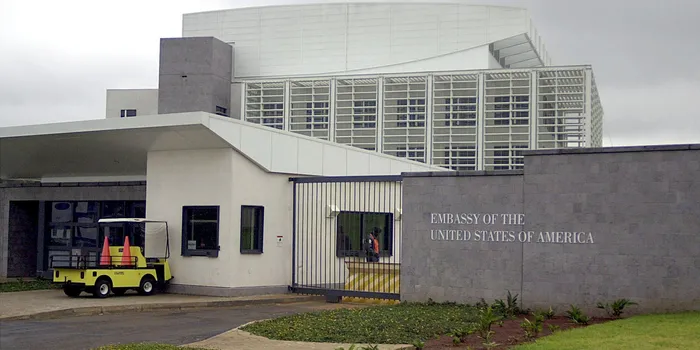
The US Embassy in Nairobi has flagged a possible breach of traveller data collected during Kenya's Ebola screening, including passports and health info.
The U.S. Embassy in Nairobi has raised the alarm over a possible data breach involving personal information collected from travellers at Kenyan ports of entry during Ebola screening.
According to the Embassy, the information potentially affected includes travellers’ names, passport numbers, and health data gathered during screening for possible exposure to the virus.
In a security alert issued on Friday, September 25, the Embassy acknowledged that it could not yet confirm whether any individual’s details were caught up in the suspected breach.
“The U.S. Embassy is unable to confirm if an individual’s data is part of the breach,” the alert stated.
The alert also leaves several key questions open. It does not state how many people may have been affected or when the possible breach occurred, nor does it specify the nature of the suspected breach or whether the information was accessed, copied, or released by an unauthorised person.
Travellers who entered Kenya from Angola, Burundi, the Democratic Republic of Congo, Ethiopia, Rwanda, Somalia, South Sudan, Tanzania, Uganda, or Zambia since heightened screening began at the end of May 2026 could potentially be affected.
Because the data was collected as part of health screening at points of entry, any affected records could contain both identification details and sensitive health-related information.
The Embassy said the Kenyan government is aware of the incident and will release further information as it becomes available.
“The government of Kenya is aware of the data breach and will provide more information as it becomes available,” the Embassy said.
Travellers who may be affected have been advised to watch for updates from the Kenyan government, while the Embassy pointed those seeking general guidance on data breaches to resources provided by the United States Federal Trade Commission.
The alert lands as Kenya grapples with a wider surge in cyber threats. Data from the Communications Authority of Kenya shows the country recorded 11,124,632,684 cyber threats in the 2025/2026 financial year, a 29 percent increase from the 8,622,876,858 threats recorded the previous year.
The rise comes as Kenya continues to expand its digital systems and connectivity, growing the volume of personal information handled through government and other online platforms.
Frequently Asked Questions
What data may have been breached?
Personal information collected from travellers during Ebola screening at Kenyan ports of entry, potentially including names, passport numbers, and health information related to virus exposure screening.
Who could be affected?
Travellers who entered Kenya from Angola, Burundi, the DRC, Ethiopia, Rwanda, Somalia, South Sudan, Tanzania, Uganda, or Zambia since heightened screening began at the end of May 2026.
Has the Embassy confirmed the breach?
No. The U.S. Embassy says it is unable to confirm whether any individual’s data is part of the suspected breach, and has not said how many people may be affected or when it occurred.
What should affected travellers do?
Monitor further information from the Kenyan government, which is aware of the incident and will provide updates, and consult the U.S. Federal Trade Commission’s guidance on data breaches.
Is this linked to Kenya’s rising cyber threats?
The alert comes amid a documented surge, with the Communications Authority recording 11.1 billion cyber threats in the 2025/2026 financial year, a 29 percent increase from the previous year.
