
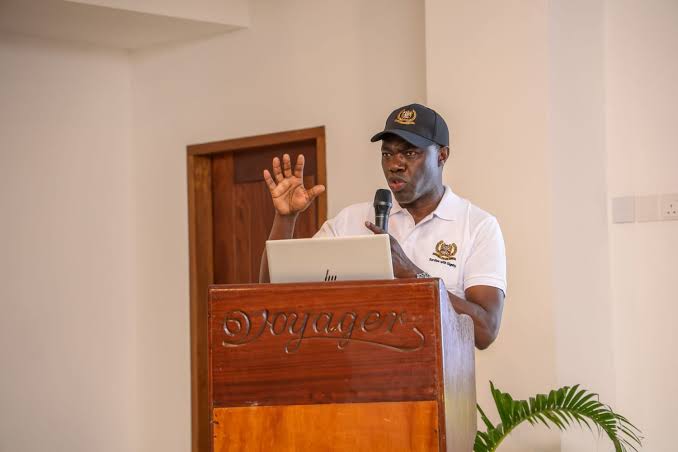
Media Council of Kenya's Victor Bwire urges journalists and broadcasters to uphold professionalism, impartiality and accountability as Kenya prepares for the August 2027 General Election.
Media Urged to Uphold Professionalism Ahead of 2027 Elections
Media houses have been urged to uphold professionalism, impartiality and accountability as Kenya approaches the August 2027 General Election.
Victor Bwire of the Media Council of Kenya (MCK) says journalists have a responsibility to provide accurate, balanced and reliable information that enables citizens to make informed decisions on electoral matters.
In his commentary, Bwire criticised the growing tendency of some radio and television interviews to deteriorate into shouting matches, personal attacks and exchanges of jokes instead of meaningful public discussions.
He argued that political interviews should help audiences examine facts, understand different viewpoints and assess the suitability of leaders seeking public office.
Bwire said programme hosts, working alongside researchers and production teams, should adequately prepare before interviewing guests.
This includes understanding the subject, gathering relevant background information and ensuring that discussions remain focused on issues of public interest.
He also stressed the importance of professional conduct by both hosts and guests, noting that interviews should not become platforms for insults, ridicule or unsubstantiated claims.
Bwire raised concerns about incidents in which guests have allegedly appeared on live programmes intoxicated or poorly prepared, carried firearms into studios, provoked presenters or engaged in physical confrontations.
He warned that such behaviour compromises the quality of public debate and can prevent audiences from receiving useful information on important national issues.
With political activity expected to intensify ahead of the 2027 elections, Bwire cautioned that some politicians may seek media platforms where they can make claims without being challenged to provide evidence.
He criticised presenters who allow guests to make unverified allegations, attack opponents or dominate discussions without proper scrutiny.
According to Bwire, journalists should ask difficult questions, demand evidence and ensure that political guests explain their positions, interests and plans for leadership.
He also expressed concern about partisan influences linked to media ownership and politically aligned commentators, saying these factors can undermine independent journalism and weaken public confidence in news organisations.
However, he acknowledged that some journalists continue to conduct rigorous interviews that challenge guests and hold them accountable.
Bwire said media organisations should strengthen their preparations for live programmes, including setting clear arrival times for guests and allowing presenters to familiarise themselves with interview participants before broadcasts.
He emphasised that the safety of journalists and other media staff must remain a priority, particularly when hosting politically charged discussions.
He further argued that media houses should carefully consider guest selection and establish clear standards for managing offensive remarks, inflammatory statements and inappropriate conduct during live broadcasts.
Bwire maintained that freedom of expression must be accompanied by responsibility, adding that journalists should not allow their platforms to become outlets for personal grievances or political hostility.
The MCK official said media coverage during the election period must remain accurate, fair, balanced and impartial to all candidates and political parties.
He noted that major political parties and candidates should receive equitable opportunities to present their views and respond to questions. Smaller parties and independent candidates should also receive fair treatment.
He added that fairness should be reflected not only in individual reports but also in the overall pattern of election coverage over time.
Bwire said journalists should remain proactive and prepared to question political leaders on issues affecting the conduct and integrity of elections.
He warned that allowing guests to use broadcasts to promote ethnic hostility, discrimination or violence would violate journalistic principles and undermine the media’s public-interest role.
As political divisions increasingly feature in public discussions, Bwire urged journalists to resist being drawn into political rivalries.
He maintained that journalists are not participants in electoral contests but independent observers responsible for recording events, scrutinising leaders and informing the public.
