
The teacher should then observe the deadline given in the letter. Failure to respond within the required period may result in the employer proceeding with the matter without the teacher's explanation.
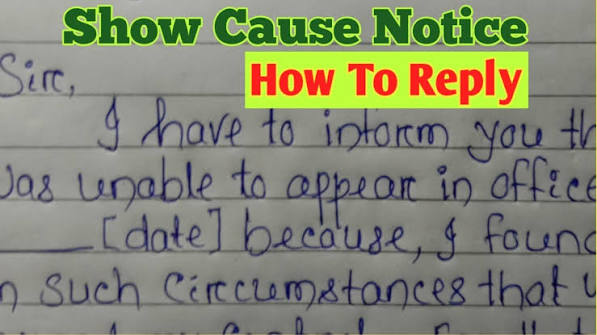
A show-cause letter is a formal communication requiring a teacher to explain alleged misconduct, poor performance or failure to comply with workplace responsibilities. Receiving one can be stressful, but the response should be handled calmly, professionally and within the stipulated timeframe.
The first step is to read the letter carefully. A teacher should identify the specific allegations, dates, incidents and policies referred to in the letter. It is important to understand exactly what the employer is asking the teacher to explain before preparing a response.
The teacher should then observe the deadline given in the letter. Failure to respond within the required period may result in the employer proceeding with the matter without the teacher’s explanation.
The response should be factual and respectful. Avoid emotional language, personal attacks, accusations or unnecessary arguments. The purpose of the response is to provide a clear account of what happened and address each allegation raised.
Where an allegation is incorrect, the teacher should state the facts clearly and provide supporting evidence. Relevant documents may include attendance records, lesson plans, communication records, medical documentation where appropriate, or other material that helps establish what occurred.
If the teacher accepts that an error was made, the response should acknowledge it honestly and explain the circumstances. Where appropriate, the teacher can outline steps taken to prevent a recurrence.
It is also important to respond to every allegation separately. Ignoring one of the issues raised can leave the employer without an explanation on that particular matter. A numbered response corresponding to the allegations in the show-cause letter can make the document easier to follow.
Teachers should avoid admitting to misconduct merely because they feel pressured. Equally, they should not provide misleading information or alter documents. If the allegations are serious or could lead to disciplinary action, seeking advice from a teachers’ union, professional association or qualified employment lawyer may be appropriate.
The response should normally contain the teacher’s name, designation, relevant employment details, the date and reference number of the show-cause letter, followed by a clear response to the allegations.
A professional closing can request that the explanation and accompanying evidence be considered before any further disciplinary decision is made.
Suggested structure
- Reference the show-cause letter.
- Acknowledge receipt.
- Address each allegation individually.
- Present relevant facts and evidence.
- Explain any mitigating circumstances.
- Acknowledge responsibility where appropriate.
- State any corrective measures taken.
- Request consideration of the response before further action.
- Sign and date the response.
Most importantly, a show-cause response should be truthful, concise, evidence-based and respectful. It is an opportunity for the teacher to place their account of events formally on record before the employer makes a decision.
