
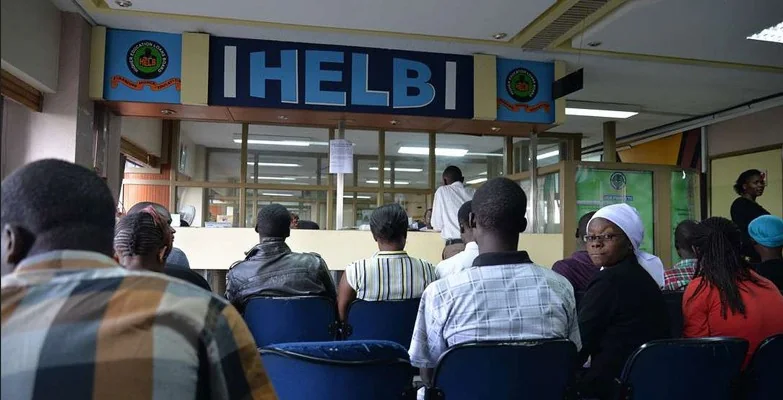
The issue has attracted attention from education stakeholders, parents and students, particularly as the cost of higher education continues to be a major concern for many families.
Stakeholders in Bungoma and Busia counties have raised concerns over a proposed one-year period for the repayment of student loans, warning that the requirement could place an additional financial burden on young graduates entering the job market.
The stakeholders argue that newly qualified students often face difficulties securing stable employment immediately after completing their studies. They say requiring graduates to begin repaying their loans within a short period could make it difficult for many beneficiaries to meet their obligations while also addressing basic living expenses.
The concerns come amid wider discussions on the sustainability of Kenya’s higher education financing system and the need to ensure that students from disadvantaged backgrounds can access education without facing excessive financial pressure after graduation.
Stakeholders in the two counties have called for a more flexible repayment framework that takes into account graduates’ income and employment status. They maintain that repayment arrangements should allow beneficiaries sufficient time to establish themselves economically before making substantial payments.
The issue has attracted attention from education stakeholders, parents and students, particularly as the cost of higher education continues to be a major concern for many families.
For many students, education loans provide an important source of financial support, enabling them to pursue university and other forms of higher education when their families cannot meet the full cost. However, beneficiaries can face significant financial obligations after graduation.
Stakeholders contend that a rigid repayment period could discourage some young people from pursuing higher education or leave graduates struggling with debt at the beginning of their working lives.
They are consequently urging policymakers to consider repayment arrangements that are realistic and responsive to the economic circumstances of graduates. Such a system, they argue, would protect the interests of both students and the institutions responsible for recovering education loans.
The debate also highlights the broader challenge of balancing access to higher education with the financial sustainability of student financing programmes. Authorities face the task of ensuring that funds provided to current students can be recovered and made available to future beneficiaries, while avoiding repayment conditions that graduates may find impossible to meet.
Stakeholders have therefore called for wider consultations before any major changes to student loan repayment requirements are implemented. They want students, graduates, education officials, financial institutions and other relevant groups to have an opportunity to present their views.
They further argue that the repayment system should be accompanied by measures that help graduates transition from education to employment. Improved career guidance, internship opportunities and access to decent employment could help young people become financially stable and meet their loan obligations.
The concerns raised in Bungoma and Busia reflect a broader national conversation about the cost of education and the financial pressures facing young Kenyans.
As discussions continue, stakeholders are expected to maintain pressure for a repayment framework that balances the need for loan recovery with the economic realities facing graduates.
For affected students and their families, the debate is ultimately about ensuring that access to higher education does not translate into an unmanageable financial burden after graduation. They are calling for policies that support graduates as they begin their careers while maintaining the long-term sustainability of Kenya’s student financing system.
