
Uganda Measles Outbreak Warning: Health Authorities Alarmed by Rising Nationwide Cases
Uganda Measles Outbreak Warning: Health Authorities Alarmed by Rising Nationwide Cases

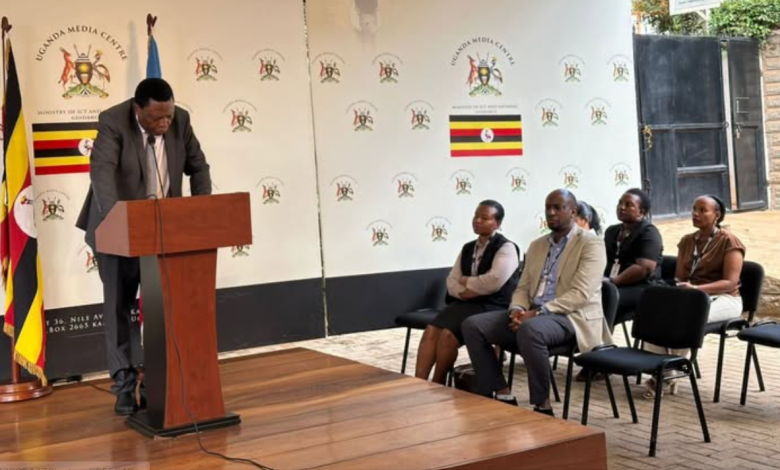
The Ugandan Ministry of Health has issued a nationwide public health alert following a concerning and sustained surge in measles cases across the country. Health officials are raising the alarm over the rapid spread of this highly contagious viral disease, warning that a failure to intervene swiftly could result in a large-scale epidemic that severely threatens the lives of vulnerable children.
Measles is recognized as one of the most infectious human viruses known to science; a single infected individual can transmit the pathogen to up to 18 unprotected individuals through respiratory droplets. The current spike in Ugandan districts is being linked to several converging epidemiological factors. Chief among them is the significant disruption to routine childhood immunization programs experienced over the past few years. During the height of the global pandemic, lockdowns, widespread fear of visiting health facilities, and the strategic redirection of medical resources caused a substantial drop in childhood vaccinations. This has created a rapidly expanding pool of susceptible children who are now falling ill as the virus circulates freely in communities.
Furthermore, localized pockets of vaccine hesitancy, driven by misinformation, and high population mobility across East African borders have compounded the problem, making it difficult to contain the virus within specific geographic zones.


The clinical presentation of measles includes high fever, cough, runny nose, inflamed eyes, and a distinctive red rash that typically begins on the face and spreads downward across the body. While the disease can be mild in healthy, well-nourished older individuals, it poses a severe, often fatal threat to children under the age of five. In Uganda, the danger is exponentially higher in regions experiencing underlying food insecurity and malnutrition. Measles aggressively weakens the immune system, a phenomenon known as “immune amnesia,” which leaves young patients highly susceptible to secondary, life-threatening complications such as pneumonia, severe diarrhea, dehydration, and blindness. Local health facilities in affected districts are currently reporting a sharp increase in pediatric admissions requiring intensive supportive care.
In response to the escalating crisis, Ugandan health authorities have activated enhanced disease surveillance mechanisms across all districts. The Ministry of Health is urging healthcare workers to maintain a high index of suspicion and to immediately report any suspected cases to district health officers. Additionally, targeted outbreak response immunization campaigns are being rapidly deployed to the hardest-hit regions. These emergency campaigns aim to create a defensive firewall of immunity, interrupting the chain of transmission by vaccinating all children in the affected vicinities, regardless of their prior vaccination history.
Ultimately, the Ministry of Health emphasizes that the measles-rubella vaccine is safe, highly effective, and freely available at all government health facilities. The current warning serves as a critical call to action for parents, caregivers, and community leaders to actively check their children’s immunization status. Closing the vaccination gap is the only scientifically proven method to halt this rising threat and prevent avoidable childhood mortalities.