Wiping Out Malaria: The Strategic Interventions Needed for Global Eradication
Wiping Out Malaria: The Strategic Interventions Needed for Global Eradication

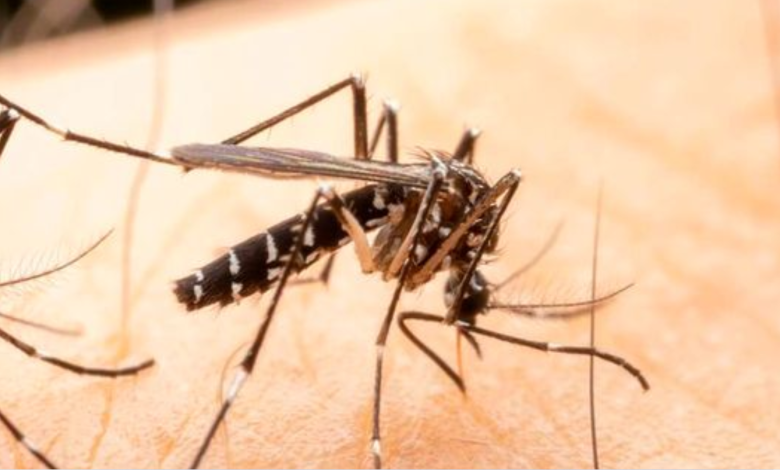
Despite decades of global health efforts, malaria remains one of the most formidable infectious diseases in the world, claiming over 600,000 lives annually, the vast majority of whom are children under the age of five in sub-Saharan Africa. While the widespread distribution of insecticide-treated bed nets and artemisinin-based combination therapies drastically reduced mortality rates in the early 2000s, progress has stagnated in recent years. To shift the trajectory from mere control to total eradication, the global health community must implement a multifaceted suite of strategic interventions that address the evolving complexities of the malaria parasite and its mosquito vectors.
The first critical intervention requires a massive upgrade in vector control. For years, the cornerstone of malaria prevention has been the long-lasting insecticidal net (LLIN). However, mosquito populations in many endemic regions have developed widespread resistance to the pyrethroid insecticides used in these nets. To counter this, public health agencies must accelerate the deployment of next-generation nets that incorporate dual active ingredients, such as pyrrole or piperonyl butoxide (PBO), which effectively kill resistant mosquitoes. Furthermore, strategic indoor residual spraying (IRS) must be rotated with new classes of non-pyrethroid chemicals to prevent further resistance. Looking to the future, cutting-edge interventions like gene drive technology—where genetically modified sterile or malaria-resistant mosquitoes are released into the wild to crash local vector populations—are moving from theoretical models to controlled field trials, representing a potentially paradigm-shifting tool.
Secondly, the historic rollout of malaria vaccines must be optimized and scaled. The World Health Organization’s recommendation of the RTS,S/AS01 vaccine, and the subsequent approval of the highly efficacious R21/Matrix-M vaccine, marks a monumental leap in public health. However, vaccines cannot be treated as a silver bullet. The strategic intervention here is the seamless integration of immunization campaigns with existing malaria control programs. Ensuring high vaccine coverage in the hardest-to-reach rural areas, while maintaining the use of bed nets and seasonal malaria chemoprevention (SMC), will create a layered defense that drastically reduces severe disease and transmission.



Thirdly, modernizing surveillance and diagnostic capabilities is non-negotiable. Eradication cannot be achieved if health systems cannot accurately track where the parasite is hiding. Traditional light microscopy and standard rapid diagnostic tests (RDTs) are highly effective in clinical settings but often miss low-density, asymptomatic infections that serve as hidden reservoirs for the parasite. Deploying highly sensitive molecular diagnostics, such as loop-mediated isothermal amplification (LAMP) tests, in community settings allows health workers to identify and treat these invisible carriers. Coupled with geospatial mapping and artificial intelligence, health ministries can pinpoint transmission hotspots and deploy resources with surgical precision rather than blanketing entire regions.
Finally, addressing the threat of antimalarial drug resistance is a matter of urgent global security. The emergence of partial resistance to artemisinin in the Greater Mekong Subregion, and its recent detection in parts of Africa, threatens to unravel decades of medical progress. Strategic intervention demands the strict regulation of antimalarial drug markets to eliminate the sale of oral artemisinin monotherapies, which directly drive resistance. Additionally, health systems must adopt triple-acting combination therapies (TACTs) that combine existing drugs with new partner compounds to outmaneuver the mutating parasite.
Wiping out malaria is biologically and logistically complex, but it is entirely possible. It requires a departure from static, legacy strategies toward a dynamic, highly adaptive approach. By combining next-generation vector control, life-saving vaccines, advanced surveillance, and rigorous drug stewardship, the global community can finally break the cycle of transmission and end the human toll of this ancient disease.