
Forest Conservation and Public Health: How Protecting Trees Prevents Pandemics and Saves Lives
Forest Conservation and Public Health: How Protecting Trees Prevents Pandemics and Saves Lives


When policymakers and environmentalists discuss forest conservation, the conversation typically revolves around carbon sequestration, biodiversity preservation, and mitigating climate change. However, a growing body of epidemiological research is fundamentally reframing how we should view our woodlands. Forest conservation is not merely an environmental issue; it is a critical, frontline public health strategy. Protecting the world’s forests is directly equivalent to protecting human populations from infectious disease outbreaks, respiratory illnesses, and mental health crises.
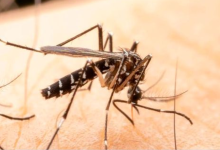
The most pressing public health threat linked to deforestation is the sharp rise in zoonotic diseases—illnesses that jump from animals to humans. When commercial logging, agricultural expansion, and urban development fragment forests, they destroy the natural habitats of wildlife. This forces vector species, such as bats, rodents, and primates, to migrate closer to human settlements. As humans and displaced wildlife intersect more frequently, the risk of pathogen spillover increases exponentially. The World Health Organization and leading epidemiologists have linked rapid land-use change directly to the emergence of deadly viruses, including Ebola, HIV, and Nipah, as well as the heightened transmission of malaria, as cleared forest edges create breeding grounds for mosquitoes.
Beyond infectious diseases, forests act as massive, natural air purification systems. Trees absorb harmful airborne pollutants, including fine particulate matter (PM2.5) and nitrogen dioxide, which are notorious for exacerbating asthma, chronic obstructive pulmonary disease (COPD), and cardiovascular conditions. Conversely, when forests are cleared—often through slash-and-burn methods—the resulting wildfires release immense quantities of toxic smoke into the atmosphere. This sudden degradation of air quality causes acute respiratory distress and long-term health complications for populations living hundreds of miles away from the actual burn sites.



The physiological and psychological benefits of intact forests are also highly verifiable. The Japanese practice of Shinrin-yoku, or forest bathing, has been heavily studied by medical researchers. Findings consistently demonstrate that spending time in forested environments significantly lowers cortisol levels, reduces heart rate and blood pressure, and decreases the symptoms of anxiety and depression. The destruction of local green spaces deprives communities of an accessible, preventative mental health resource.
Furthermore, forests are inextricably linked to water security, a foundational pillar of public health. Forested watersheds act as natural water filtration systems. Tree roots stabilize the soil, preventing erosion and sediment from washing into rivers and lakes, while the forest canopy regulates water flow. When forests are removed, communities face increased flooding, disrupted water cycles, and the contamination of drinking water supplies, leading to outbreaks of waterborne diseases like cholera and dysentery.
To secure a healthier future, the global medical and environmental communities must align under the “One Health” framework—a model that recognizes that human health is entirely dependent on the health of our ecosystems. Ultimately, funding forest conservation is not just an investment in nature; it is one of the most proactive, cost-effective public health interventions available to humanity.